If you play around SEO for long enough, you must be familiar with the term backlinks. When another website links to your website, that’s what a backlink is. In SEO, backlinks may serve as a vote of confidence in the digital marketing world. Backlinks can signal search engines and AI platforms that the content you’ve published is trustworthy, authoritative, and valuable enough to reference.
You can build your website authority by earning backlinks. Before doing that, you need to understand thoroughly what are backlinks, their impacts for SEO, the different types of backlinks, and how to execute an ethical and healthy link building strategy.
Drive your organic growth and authority after reading this guide!
What are Backlinks?
A backlink, also known as an inbound link or external link, is created when one website includes an HTML hyperlink pointing back to a page on another website. Semrush stated that backlink serves as a central credibility record.
When you accumulate backlinks, they will form a credibility record that search engines and AI systems will extract before they generate an answer to a user search query. AI search systems cite sources by depending on the signals of trustworthiness and authority, just like search engines. So, by having a strong backlinks you can raise your chances of getting ranked well on Google and being cited in AI responses.
Though it can somehow help your website to get to the top of SERP, backlinks don’t just serve as a purely ranking factor. If so, their value would change over time following the algorithm. Backlinks are more substantial and serve as a credibility record.
There are some key terminology that you need to grasp fully in building a proper backlinks:
- Inbound/Backlink → A link that is coming from an external website to yours.
- Outbound Link → A link on your website pointing to an external website.
- Anchor Text → The clickable text that holds the hyperlink.
Read Also: What Is AEO and Why Does It Matter for Your Brand's Visibility?
Why is Backlink Important in SEO?
Backlinks have consistently remained one of Google’s ranking factors. Search algorithms use backlinks to discover new content, understand topical connection, and pass link equity (also known as PageRank.
1. Organic Search Rankings & PageRank
Google evaluates backlinks like academic citations. In a study from Backlinko, they’ve analyzed 11.8 million Google search results and the number of unique domains linking to a page has a strong correlation with higher rankings. Pages at the top of Google results typically have significantly more backlinks than lower-ranking pages.
2. Visibility in AI Search (AI Overviews & LLMs)
Modern users now have shifted beyond traditional search. Semrush analyzed 1,000 domains and high-quality backlink profiles strongly correlated with higher visibility in AI search. Domains with strong backlink profiles are more likely to get cited on generative answers and AI engines like Google AI Overviews, ChatGPT, and Perplexity. AI systems rely heavily on existing domain authority to decide which sources to cite in generating answer responses.
3. Referral Traffic & Brand Trust
Getting a diverse backlink profile might be tempting, however not all backlinks have equal weight. A high-authority backlink from an industry publication or news site can bring you direct, highly qualified referral traffic to your site while also establishing brand credibility in your niche.
Types of Backlinks
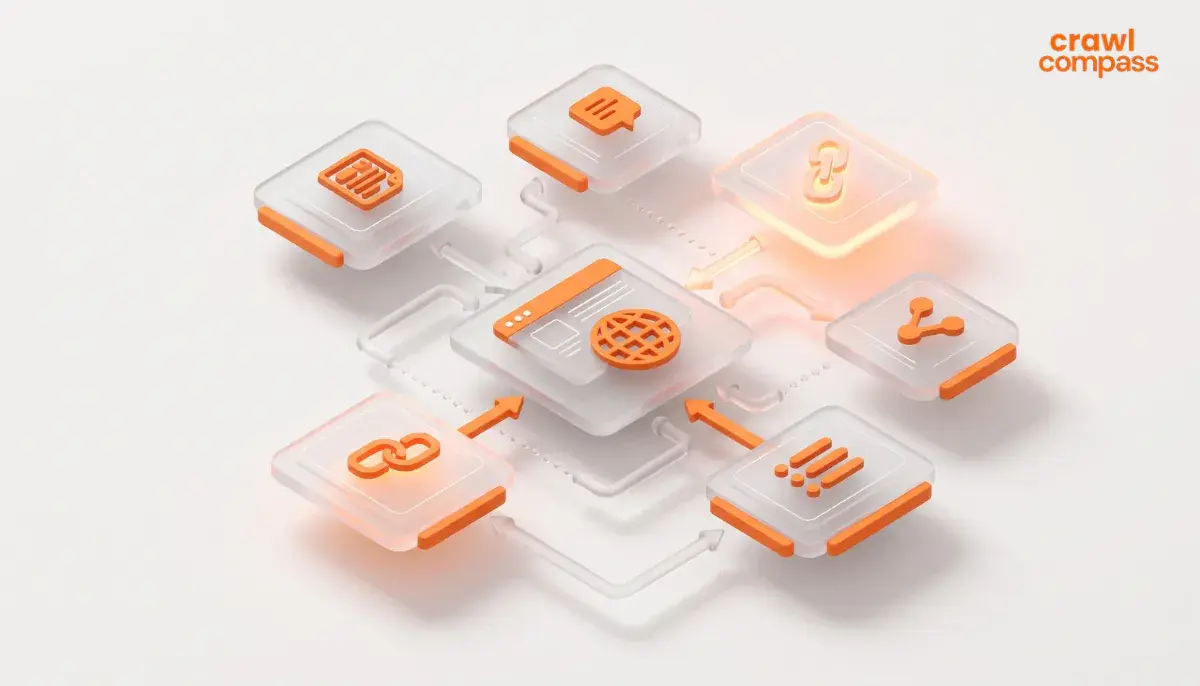
Not all backlinks carry equal weight. Understanding their HTML attributes and origin helps you prioritize high-value links while avoiding toxic ones. Let’s take a look at the type of backlinks below
Editorial Backlinks
Editorial backlinks are links that are naturally placed by authors citing your content as a resource or primary source. This type of backlink is one of the high value as it passes authority and gives strong trust signals to the algorithm.
Guest Post Backlinks
Guest post backlinks refer to links that are included within articles you write for relevant industry publications. Guest post backlinks also hold a high value since it can build niche relevance when placed naturally.
Directory / Business Listings
Directory or Business Listings are the links from local industry-specific directories like Google Business Profile and Yelp. These links are essential for local SEO and baseline legitimacy, holding a moderate value of backlinks.
UGC & Forum Links
UGC and Forum Links usually posted in blog comments, Reddit, or forum discussion. These links are typically tagged as rel = “ugc” and are good for traffic. But the value is low with the Nofollow attribute.
Sponsored Links
When links are placed as a part of a paid promotion, sponsorship, or advertisement, they’re sponsored links. You must use rel = “sponsored” to comply with Google guidelines.
Understanding Follow vs. Nofollow Attributes
Search engines recognize specific rel-attributes that dictate how links pass authority. For Follow links (dofollow)refers to standard links without attributes that pass link equity directly to your target page. While Nofollow links (rel = “nofollow”) tells search engines not to pass direct ranking authority. However, Google treats nofollow as a ranking hint rather than an absolute rule.
Read Also: Types of SEO & The Right Strategy for Your Website
How to Build Backlinks
Effective and healthy link building requires moving away from spammy tactics, like buying links or automated forum links. To build something sustainable, you need to focus on earned and value-driven content.
1. Create “Linkable Assets”
Try to publish data and research contents. Publishing original surveys, industry research, or comprehensive visual guides will naturally attract links from high-quality backlinks. Your website will attract journalists and bloggers looking for authoritative statistics to cite.
2. Broken Link Building
You can also find dead links (404 errors) on authoritative sites in your industry. Then, reach out to the site owner and suggest your relevant article as a replacement. To do this, you can use SEO tools like Ahrefs, Semrush, or Screaming Frog to discover broken backlinks on niche pages.
3. Digital PR & Expert Commentary
You can provide journalists with high-quality content to earn media mentions and powerful attribution links. You don’t have to cold-pitch every journalist you’ve found, utilize platforms like Connectively (formerly HARO), Featured (formerly Terkel), Qwoted, or Help a B2B Writer.
4. Unlinked Brand Mentions
Sometimes, there are contents that might mention your brand, but didn’t link it to you. Search for websites that mention your brand or product name. Then, send them a friendly request by asking them to turn the mention into a clickable anchor text.
Build Your Website Authority Today
Earning high-quality backlinks takes time, strategy, research, and consistent execution. Instead of chasing quick fixes, build a sustainable foundation that Google trusts. Ready to grow your organic visibility? Let Crawl Compass power your link-building strategy. Connect with our team today and elevate your domain authority!